
Read the full article – as originally published in The Drum.
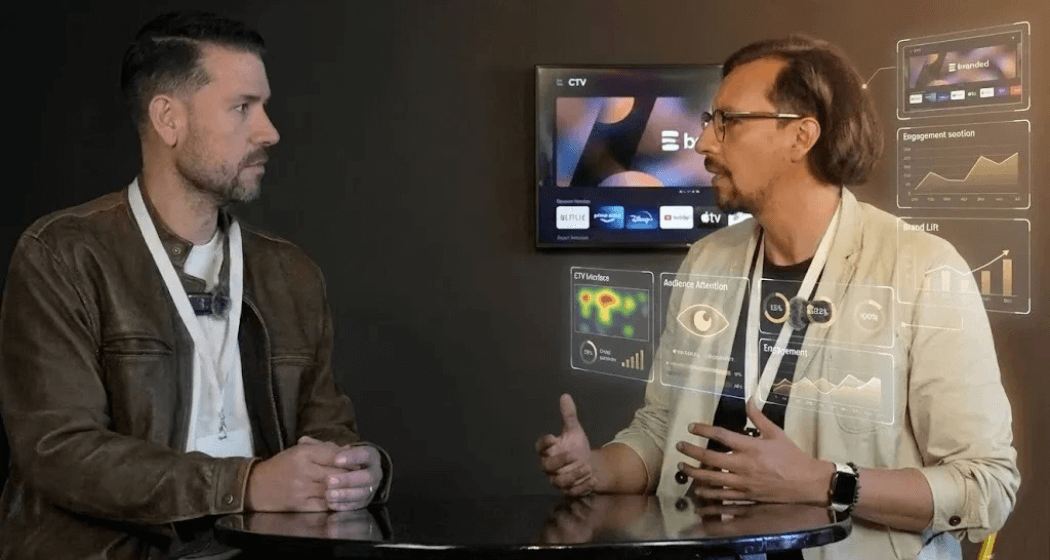
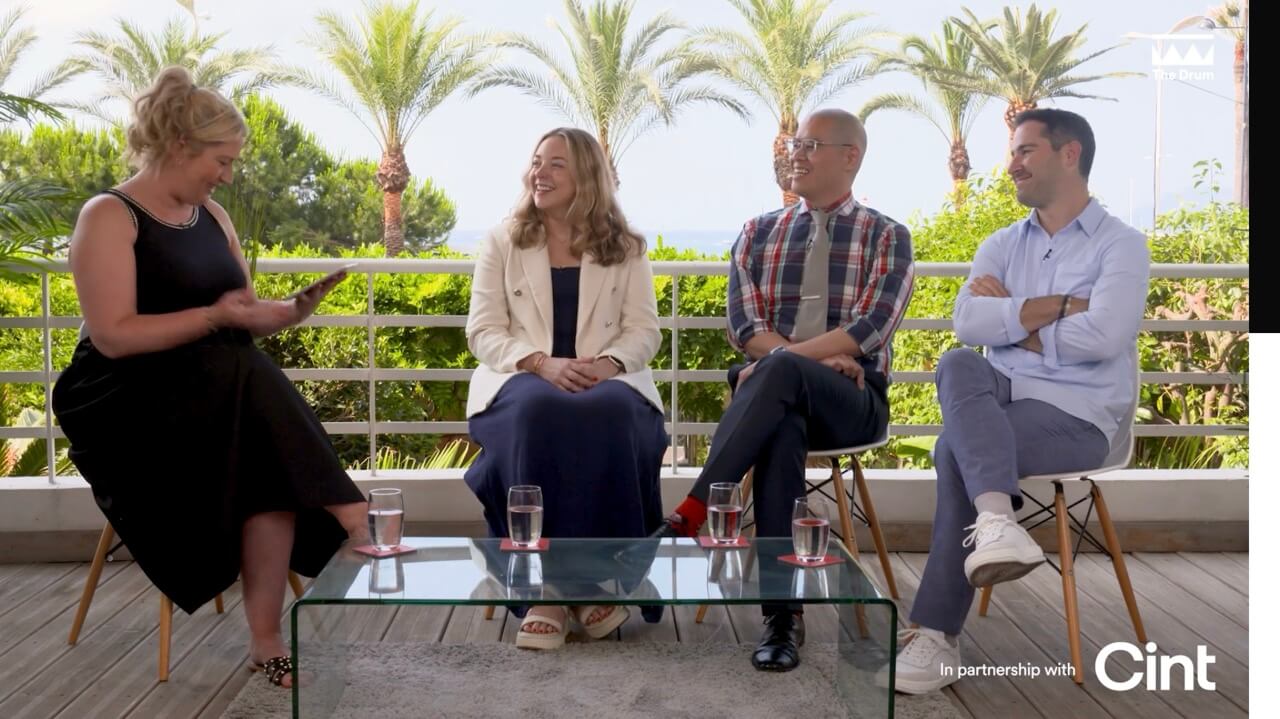
“If you can’t justify the investment, if you can’t prove performance, that really caps retail media’s growth.” Claire Wyatt, general manager, business development, retail at The Trade Desk, captures the central tension running through The Measurement Illusion, the opening episode of Season 3 of The Drum’s All Media Is Commerce Media series.
Because despite having more data than ever before, the industry is still struggling to answer one deceptively simple question: what actually works?
“There has never been more data available to advertisers and agencies,” says Laura Manning, EVP global measurement at Cint. “But it’s hard to know what’s working and when.”
Commerce media was built on the promise of measurement. Closed-loop attribution, real-time signals and outcome-driven marketing promised a level of accountability the rest of the industry had spent years chasing. But as the ecosystem scales, more signals aren’t necessarily creating more certainty.
More signals, less clarity?
For years, measurement was seen as commerce media’s greatest advantage. Now, it’s becoming one of its biggest challenges.
“We have more real-time signals than ever before,” says Oscar Rondon, vice-president, data and measurement solutions at Nexxen. “But consumers don’t move through their journeys in a linear fashion.”
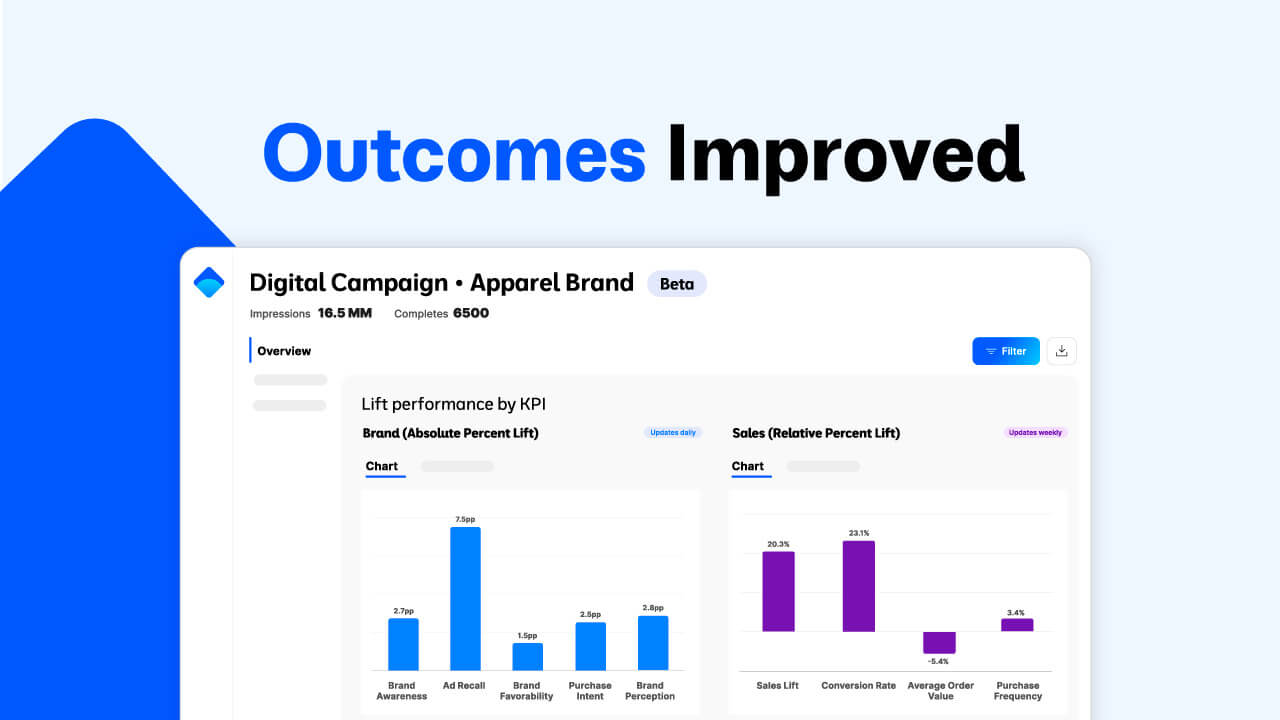
That disconnect is creating a growing problem for marketers trying to connect exposure, influence and conversion across increasingly fragmented environments. At the same time, many marketers are still relying on narrow success metrics. “Many marketers choose to just measure one KPI versus a comprehensive suite of KPIs,” Rondon adds. “And that’s really not the goal of marketing. The goal is to influence future behaviors.”
Meanwhile, the sheer volume of available data is creating its own problem. “You have lots of data at your disposal and you don’t know exactly when to use it or how to use it,” says Manning. “That’s a huge gap right now.”
The industry is still measuring in silos
One of the clearest themes running through the episode is fragmentation, not just across platforms but across measurement itself.
“A lot of commerce media is actually measured in isolation,” says Maggie Merklin, chief client officer at Analytic Partners. But commerce media doesn’t operate in isolation; retail media campaigns influence broader retail behavior, brand perception and purchasing decisions beyond a single channel or retailer.
But many marketers are still relying on narrow metrics to judge success. “The other challenge is reliance on ROAS or last-click metrics,” adds Merklin. “We know that they’re flawed.”
Instead, contributors throughout the episode argue for a more holistic approach, one focused less on vanity metrics and more on long-term commercial impact.
Measurement credibility is under pressure
As investment increases, so do expectations. “The biggest thing that’s holding retail media back is antiquated forms of measurement,” says Wyatt, pointing specifically to the lack of standardization across retail media networks.
That pressure is pushing commerce media into a more mature phase, where consistency, interoperability and incrementality matter more than raw scale.
Because while retail media has become one of the most measurable areas of marketing, proving real business impact remains inconsistent. And that inconsistency creates friction for brands trying to justify growing investment.
“What we’re looking for is the ability to understand if our dollars are driving incremental sales, not just within your retailer, but across all retailers,” says Andrew Lederman, global VP of digital commerce at Mondelez International. “We want to be focused on the consumer and so should the retail media network.”
Real-time data isn’t the same as real understanding
The episode also challenges one of the industry’s favorite assumptions: that more real-time data automatically leads to better marketing. “Real-time data is a fantastic thing for the industry,” says Rondon. “But real-time data doesn’t necessarily mean better answers.”
Instead, it often creates more noise, more optimization pressure and more reactive decision-making. At the same time, delays between insight and action continue to create friction. The result is an industry trying to operate in real time, without fully connected systems to support it.
“There’s almost like this 48-hour data-to-action gap,” says Paul Frampton-Calero, chief executive officer of Goodway Group. “By the time you get the insight… you often lose the shopper. We need the data to connect more quickly so that those who are sat at keyboards thinking about where to convert a shopper are working with today’s insight, not yesterday’s insight.”
The next phase is about standardization
For all the criticism, the tone of the episode is pragmatic. Commerce media is no longer a niche capability or experimental budget line but a “primary area of focus,” says Marissa Godlewski, director, digital commerce center of excellence, Church & Dwight.
“You can run commerce media and you can target consumers across all channels, all tactics, layering on that first-party data. The opportunity for commerce media is unparalleled to other sort of media solutions that we may have had in the past.”
The challenge now is building the infrastructure to support that scale. “If we can align as an industry on the standardization of these measurements, it will allow us to make smarter decisions,” says Jason O’Toole, head of connected commerce & media, Gildan/Hanesbrands.
Season 1 explored how commerce became the organizing logic behind modern media. Season 2 examined how that system works. Tune into Season 3 now to explore what happens when the system comes under pressure.

Check out the original article on The Drum