Contents
- The rise of full-funnel outcomes measurement
- What is outcomes measurement?
- Connecting brand awareness to commercial return
- Mapping the non-linear customer journey from sentiment to spend
- Balancing upper and lower-funnel KPIs across complex buying paths
- Key takeaways from the session
- Start measuring outcomes with Cint today
Categories
The rise of full-funnel outcomes measurement
As brands balance tighter budgets and greater accountability with a need to prove impact at speed, a new suite of self-service, full-funnel measurement tools are becoming the missing link between attention, brand perception, and sales outcomes.
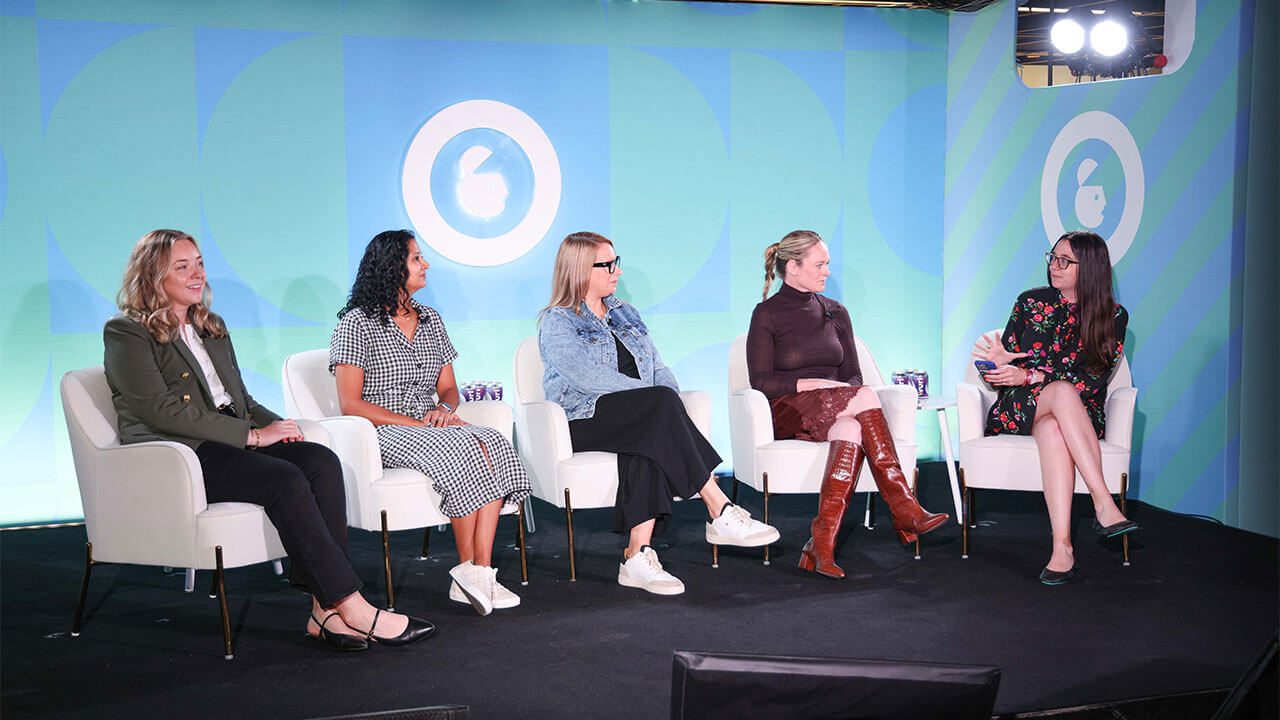
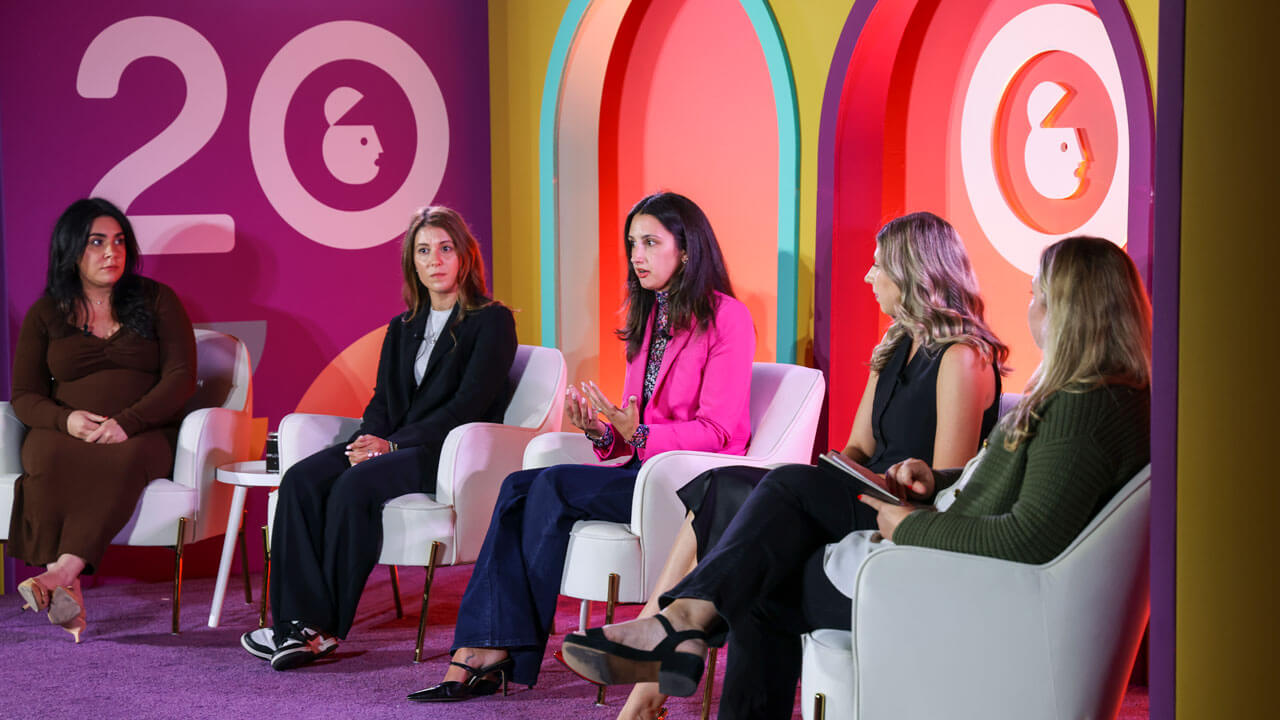
Laura Manning, Cint’s SVP Global Data & Measurement took to the stage at Advertising Week New York to discuss how and why measuring outcomes is of the utmost importance for brands, agencies, and advertisers alike.
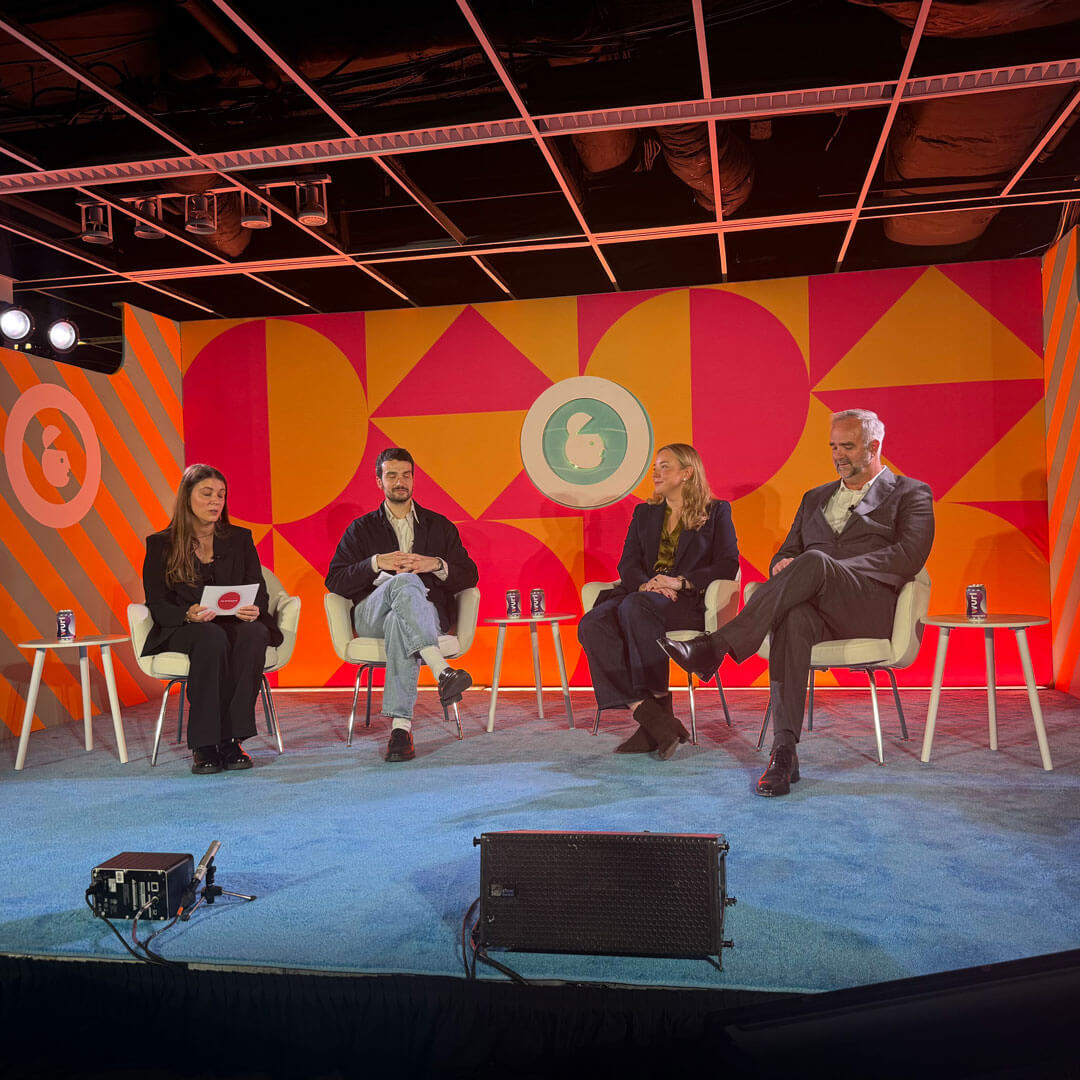
Manning was joined by Cierra Prince (VP, Ads Data & Measurement at Tubi), Neala Brown (Global Head of Data Measurement & Insights at Teads) and Stephen George (Group Vice President, Analytics and Data Services at Zeta).
Read on for a recap of the discussion.
What is outcomes measurement?
If you’ve spent any time at a conference or event this year, you’ll know that ‘outcomes’ is the buzzword of 2026. Defining it, though, can differ from business to business.
““Outcomes is about asking, ‘what did the media actually do’, and ‘how did it change consumer behavior?

Cierra Prince
VP, Ads Data & Measurement, Tubi
“Outcomes is about asking, ‘what did the media actually do’, and ‘how did it change consumer behavior?,” said Prince. She asked the panel to envision a situation where they, or the audience, are stuck in an elevator with their CEO. In that scenario, “you wouldn’t talk about impressions and reach,” Prince explains, because executive leadership is focused on commercial impact rather than surface-level delivery.
Instead, media buyers should take an outcomes-focused approach in order to ascertain whether a campaign sparked tangible changes in consumer behavior: “Did you drive somebody to come to your store? Did they purchase something from you? Did they change their sentiment or attitude about your brand?” Ultimately, proving those concrete real-world actions is what moves businesses forward.
For George, outcomes is all about uncovering the why and the how behind campaign performance, especially when it comes to understanding the return on ad spend. Modern measurement practices (like Cint’s unified solution available to US customers of Lucid Measurement by Cint) now allow marketers and CMOs to move past vanity figures and address those critical commercial questions faster than ever before.
Brown noted that genuine outcomes center on “that action, that more business-oriented impact.” Whether an advertiser is tracking physical store foot traffic, completed sales, or “moving the needle related to things like sentiment, awareness, consideration,” the underlying standard remains consistent across the funnel.
Across the board, shifting from tracking myriad media metrics to true outcomes means proving the real-world behavioral changes that actually drive a business forward.
Connecting brand awareness to commercial return
One way to frame the role of outcomes measurement is to see it as a means of connecting hearts to wallets, charting a journey that tracks consumer sentiment and consumer spend. This approach marks a shift in measurement, as historically, things like brand awareness and sales performance have lived in completely separate silos.
Manning wanted to know more about the shifts the panel have noticed in the past year with client expectations, and what are the brands actively asking for in the age of outcomes.
“We’re certainly seeing a lot more tangible actions coming up the funnel. Some of that is driven by the availability of measurement, particularly in spaces where historically you couldn’t quite connect the dots—like the TV space, for example—to an offline action,” Brown said, reflecting on Teads’ approach.
“We’re able to do that in a more meaningful way now. As a result, the advertisers we work with are saying, “Of course we want to measure the brand, but we’re also interested in what that looks like from a ROAS perspective, from a store traffic perspective.” That’s what we’re seeing from an evolutionary standpoint.”
The situation is similar for Prince and her team at Tubi. “We’re absolutely seeing that advertisers and brands want the moon and the stars. They want to be able to drive every KPI, and we’re still encouraging them to anchor to one,” she said.
“What’s really interesting, especially in the AVOD and CTV space, is that we’ve historically been viewed as an awareness channel,” said Prince. “But through background studies and increased access to signal and measurement, we have seen that there are significant downstream impacts in a positive direction from running those brand awareness campaigns.”
For George, that demand is fueled by potential impatience in the boardroom. While measurement practitioners have long understood the connection between upper-and lower-funnel activity, brand leaders now expect fast, concrete answers.
“There’s a bit of impatience at the agency or CMO level: ‘What’s my return on ad spend on this huge brand initiative we’re running?’
“There’s a bit of impatience at the agency or CMO level: ‘What’s my return on ad spend on this huge brand initiative we’re running?’” he said. “With the advent and availability of data, being able to connect those dots in a more expedient fashion is really helping close the loop. It helps get CMOs and advertisers more educated on how pumping a couple million dollars into brand awareness trickles down into downstream KPIs.”
Mapping the non-linear customer journey from sentiment to spend
Manning then wanted to know what the “heart-to-wallet” journey looks like for the panelists today, and also what they most often find themselves having to explain to the brands as the crucial differences between the perception and those down-funnel metrics.
Prince pointed out that consumers simply don’t move in “nice, clean boxes” or follow a uniform, linear progression. Instead, anyone involved in media measurement needs to adapt to a messier reality, assessing how the average consumer moves from initial brand awareness to consideration, and onto transactions, and (hopefully!) lasting brand loyalty.
Capturing that non-linear path has become vital as CMOs face heightened accountability to the bottom line. Brown noted that while the customer journey is never a “straight line,” proving that connectivity transforms traditionally difficult conversations between CMOs and CFOs. Today, marketing leaders are evaluated directly on revenue and business growth.
As George noted, measurement teams need to build the technical architecture necessary to track touchpoints across the entire experience, connecting them in what he described as a “holistic and methodical way.” Ultimately, demonstrating that whole-journey impact prevents brands from getting trapped in short-sighted performance cycles, safeguarding the brand equity that drives long-term commercial growth.
Balancing upper and lower-funnel KPIs across complex buying paths
Manning asked how practitioners explain the relationship between upper and lower-funnel KPIs to buyers, especially when curbing the expectation that a single ad can move every metric at once. For instance, how do you go about explaining to an established brand that a campaign drove purchases without shifting overall awareness?
Buying “a soda at checkout is very different than an expensive vacation,” Brown noted, reminding advertisers that channels had to be evaluated with realistic expectations: a brand-building vehicle could not be expected to generate the immediate ROAS of a targeted performance tactic.
George echoed the importance of full-funnel context, pointing to Zeta’s “journey pathing” framework, which linked omnichannel touchpoints and macro data to show how awareness steadily influenced downstream return.
For Price, it remains prudent to be cautious against reducing full-funnel measurement to a “single snapshot in time” on a static dashboard. Because indicators fluctuated and frequently clashed across quarters, she argued that the practitioner’s true role was to look beyond surface-level figures, investigate “why that tension exists,” and translate conflicting signals into a coherent business narrative.
Key takeaways from the session
Here are they key takeaways from the panel discussion:
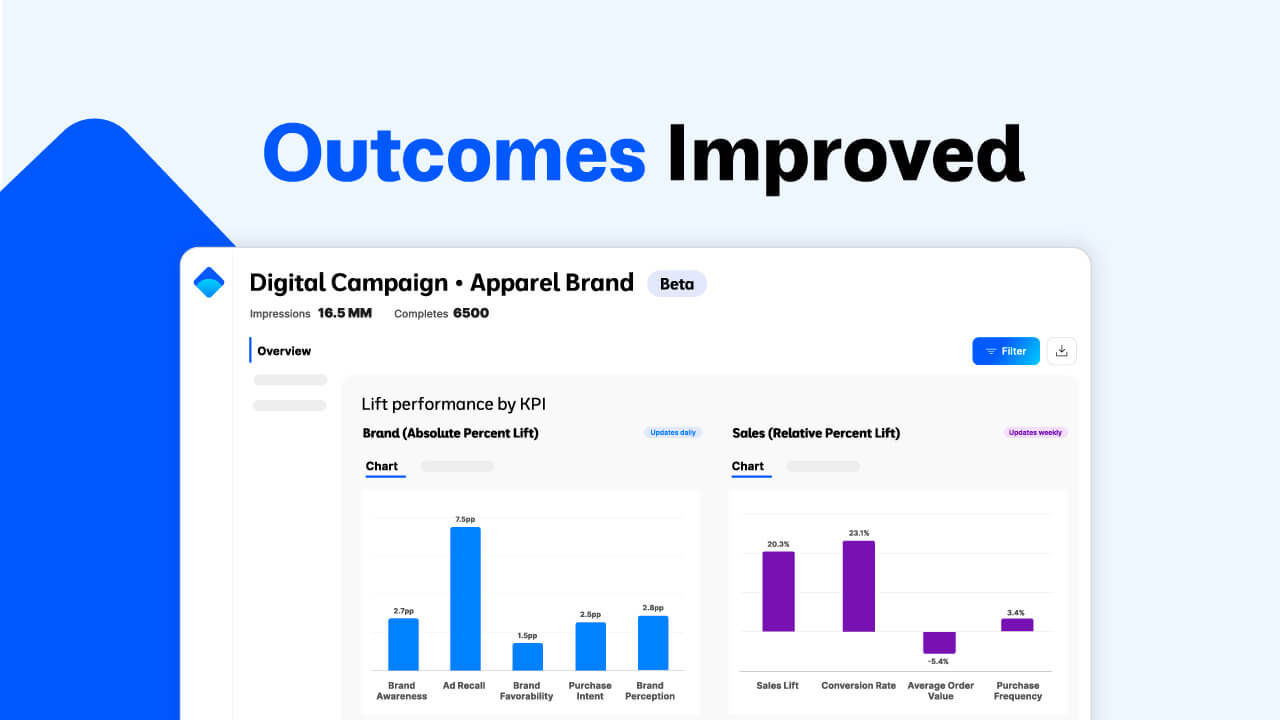
- Linking sentiment and sales: Attaching sales lift metrics to brand lift studies provides direct links between brand perception and actual, evidenced purchasing behavior.
- Bridging the gap: What the ‘heart-to-wallet’ journey actually looks like today, and where brands most often lose sight of the customer between perception and purchase.
- Finding the big answer: Did people think differently about your brand, and did that translate into measurable growth?
Start measuring outcomes with Cint today
Want to start tracking in-flight campaign outcomes in a unified dashboard?
Get in touch with a Cint representative today and begin closing the heart-to-wallet measurement gap.