Contents
Categories
The changing face of AI in market research and media measurement
The fields of market research and media measurement are rapidly moving beyond the era of simple automation into an age of intelligence orchestration.
If the last few years in the world of research have been defined by the creation, implementation, and adoption of what we could consider the ‘first wave’ of AI-driven workflows, we’re now getting deeper into a landscape where truly agentic research and measurement is possible.
Today, AI agents running in tools that include the likes Claude and ChatGPT, have the ability to execute multi-step tasks directly across external software platforms. The technology that enables this seamless link between Large Language Models (LLMs) and enterprise data platforms is the Model Context Protocol (MCP).
In short, we’ve gone from AI as a tool for conversation, to reasoning, and now to a means of generating automated business outcomes.
In this article, we’ll explore what MCPs are, how they function, and why they have the capacity to change market research and media measurement workflows.
What is an MCP?

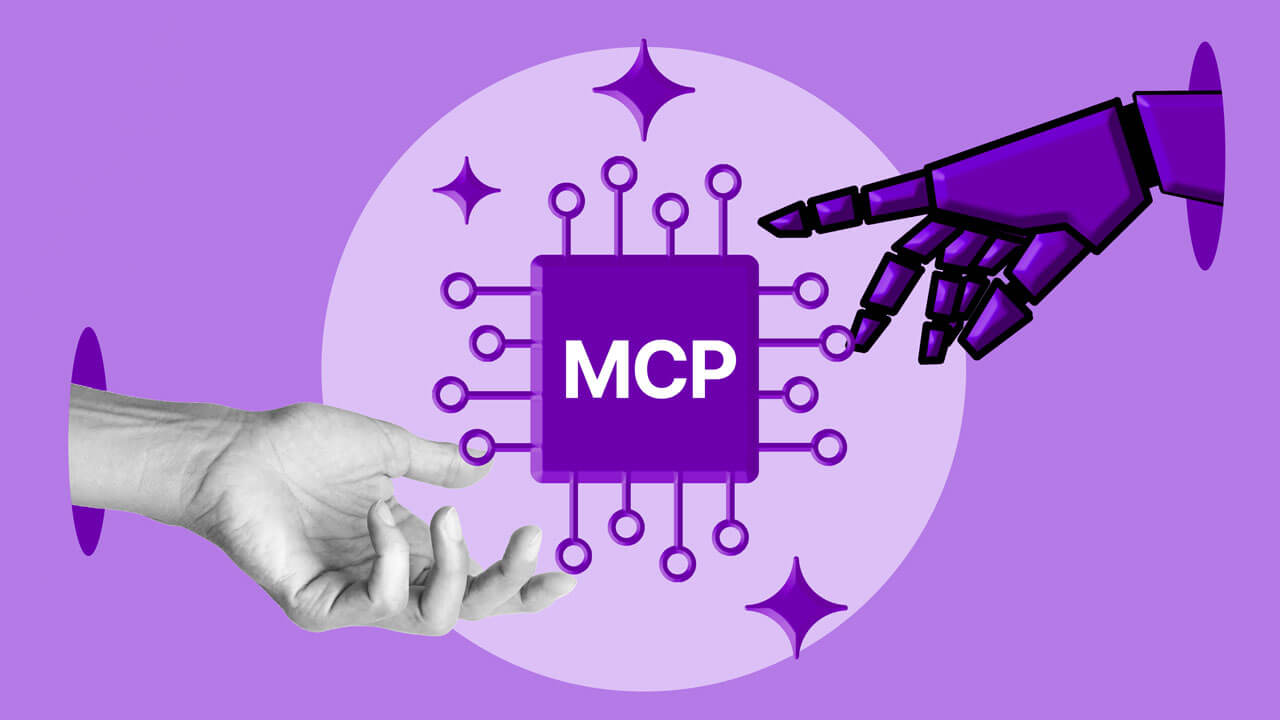
An MCP, or Model Context Protocol, is an open standard that defines how AI applications connect to external tools and data sources.
An MCP, or Model Context Protocol, is an open standard (originally developed by Anthropic, now widely adopted) that defines how AI applications connect to external tools and data sources.
This means that AI assistants, such as Claude and ChatGPT, can seamlessly query live data across disparate tools to respond to natural language prompts from humans.
As tech giant and MCP innovator Anthropic puts it, “Just as USB-C provides a standardized way to connect electronic devices, MCP provides a standardized way to connect AI applications to external systems.”
Connecting an AI tool to a research or measurement platform has historically required building and maintaining custom API integrations for every individual application. MCP eradicates this engineering burden by standardizing how AI models interpret platform context and trigger underlying system functions.
MCP solutions rely on a well-structured API that supplies core system capabilities, data logic, and platform architecture. The protocol sits on top of this API as a translator, converting platform functions into standardized context that LLMs can natively interpret.
How does an MCP actually work?
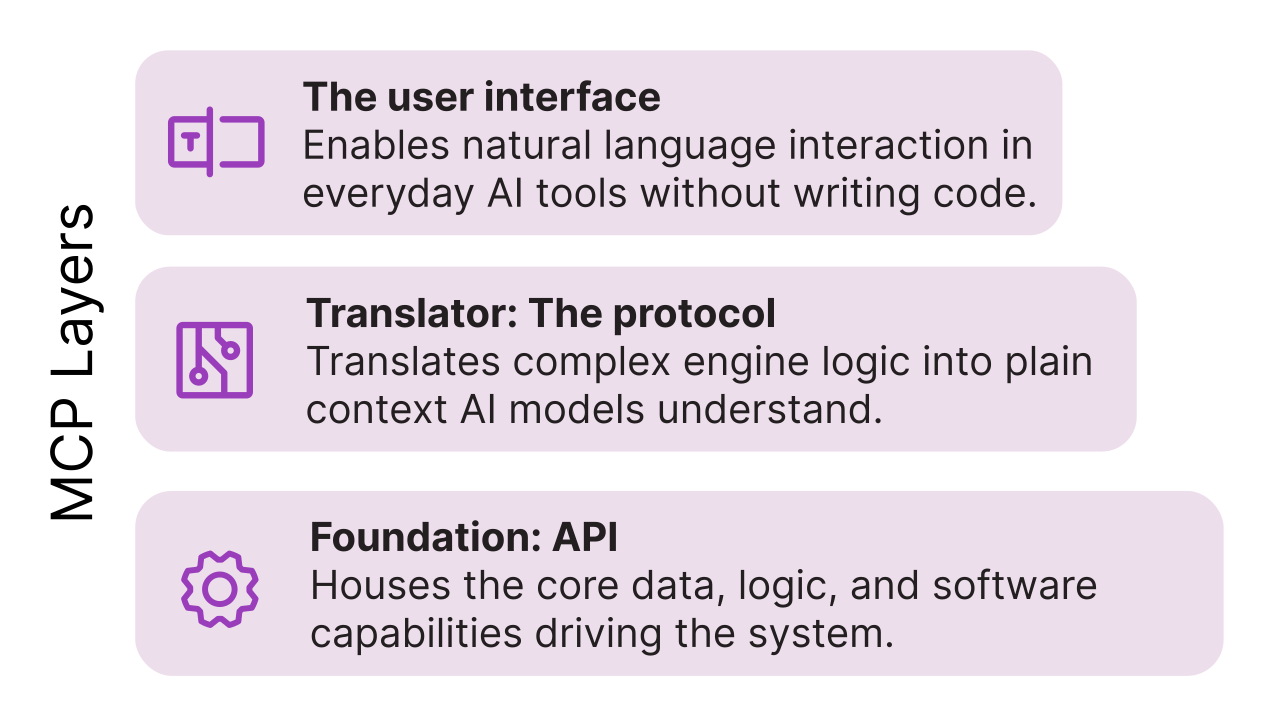
To understand how an MCP functions, it helps to break down the technology into three simple layers that work together behind the scenes:
- The foundation: An underlying API acts as the primary platform engine, holding the core data, logic, and software capabilities.
- The translator: The protocol sits on top of this engine, converting complex platform functions into plain, standardized context that AI models natively understand.
- The user interface: Users interact with the platform using natural language in everyday AI tools like Claude and ChatGPT to launch studies or request data without writing custom code.
What bottlenecks does MCP eliminate in research and measurement?
In market research and media measurement, productivity is frequently stalled by three key operational bottlenecks:
- Tool switching and context fragmentation: Analysts routinely navigate back and forth between specialized research tools, campaign platforms, and reporting dashboards, leading to broken focus and delayed decision-making.
- Engineering resource constraints: Organizations operating without dedicated developer support can remain trapped in inefficient, manual processes.
- Disconnected AI workflows: Businesses heavily deploying AI agents still encounter friction when applications remain unlinked, forcing continuous logins, redundant data entry, and manual navigation across isolated tools.
MCP addresses these pain points directly by establishing an open, standardized bridge between LLMs and enterprise platform capabilities. It allows research and measurement teams to execute multi-step operations directly within their primary AI tools, eliminating custom coding, reducing platform hopping, and keeping data connected.
What are the advantages of an MCP?
MCPs allow organizations to bypass technical backlogs and automate multi-step operations instantly inside their existing AI tools. This zero-code connectivity accelerates time-to-value, granting immediate access to the data and capabilities they need.
Ultimately, streamlining these workflows reduces operational overheads, costly intermediary steps and empowers teams to execute continuous, data-driven strategies with maximum efficiency.
Carsten Bokemeyer, Principal Product Manager for MCPs at Cint, says: “Every tool, however good, costs you a context switch, slowing down processes and creating fatigue. What MCP’s have changed is that now you can choose to access different platform capabilities inside Claude, in the middle of the work you were already doing”
What is the impact of MCP on research and measurement?
By removing technical friction and eliminating the need for labor-intensive and costly custom coding, MCPs have the capacity to fundamentally transform day-to-day operations across both the market research and media measurement industries.
For market research, an MCP turns complex sampling operations into simple natural language commands. Research teams can check study fielding status in plain text, instantly boost specific target demographic quotas, or launch global studies with minimal friction.
On the media measurement side, an MCP allows campaign performance studies to be launched and evaluated within an AI agent. Marketers can then track brand lift and sales lift side-by-side in real time, giving agencies and media owners alike the ability to optimize active ad buys and clearly prove business ROI while campaigns are still running.
Connect with Cint today
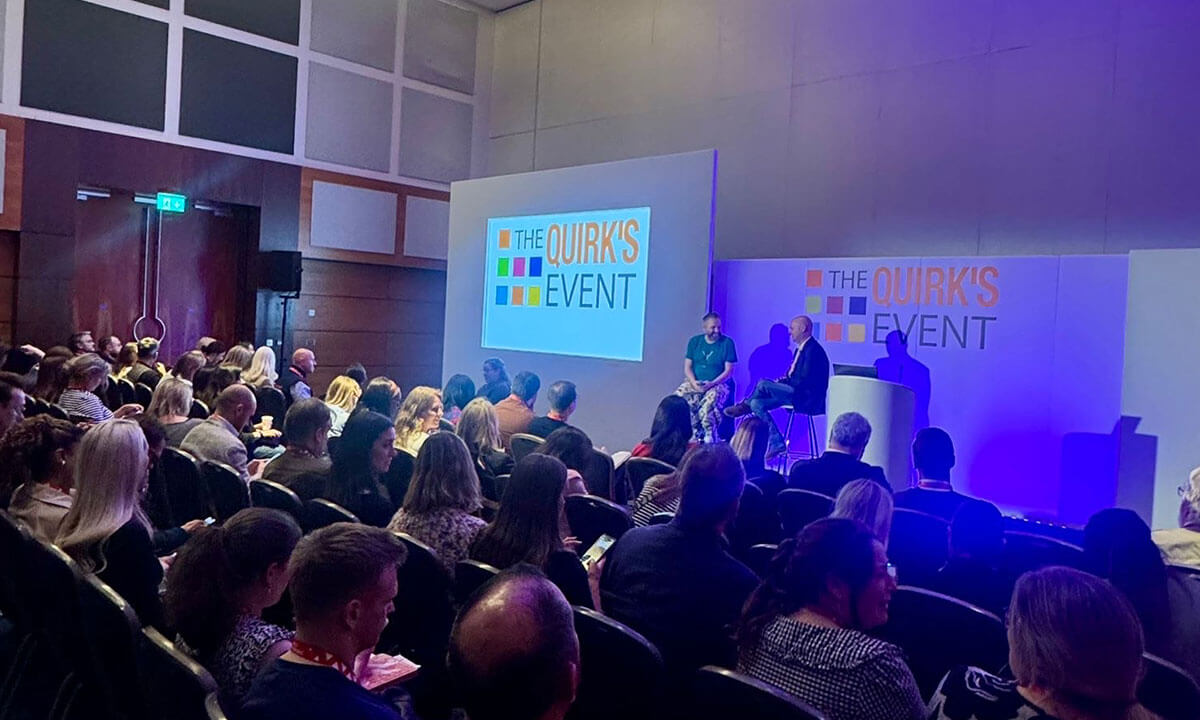
Cint CEO Patrick Comer will be discussing MCP at this year’s ESOMAR congress in Valencia, Spain. If you’re not in attendance, worry not — we will be bringing you a recap of his talk here on the Cint blog.
Want to know more about how Cint can get your market research or media measurement studies where you want them to be? Get in touch with us today.