
Political polling in a period of deep uncertainty
It’s never been more difficult to get a grip on consumer opinions. Political polarization, changing media habits, ongoing economic uncertainties, and concerns about the creation and dissemination of AI-generated misinformation have changed how respondents engage with surveys and how researchers can interpret the data they collect with confidence.
This is a concern for anyone involved in the market research business, but it is especially important during a year when millions of Americans are set to head to the polls to vote in the 2026 midterm elections.
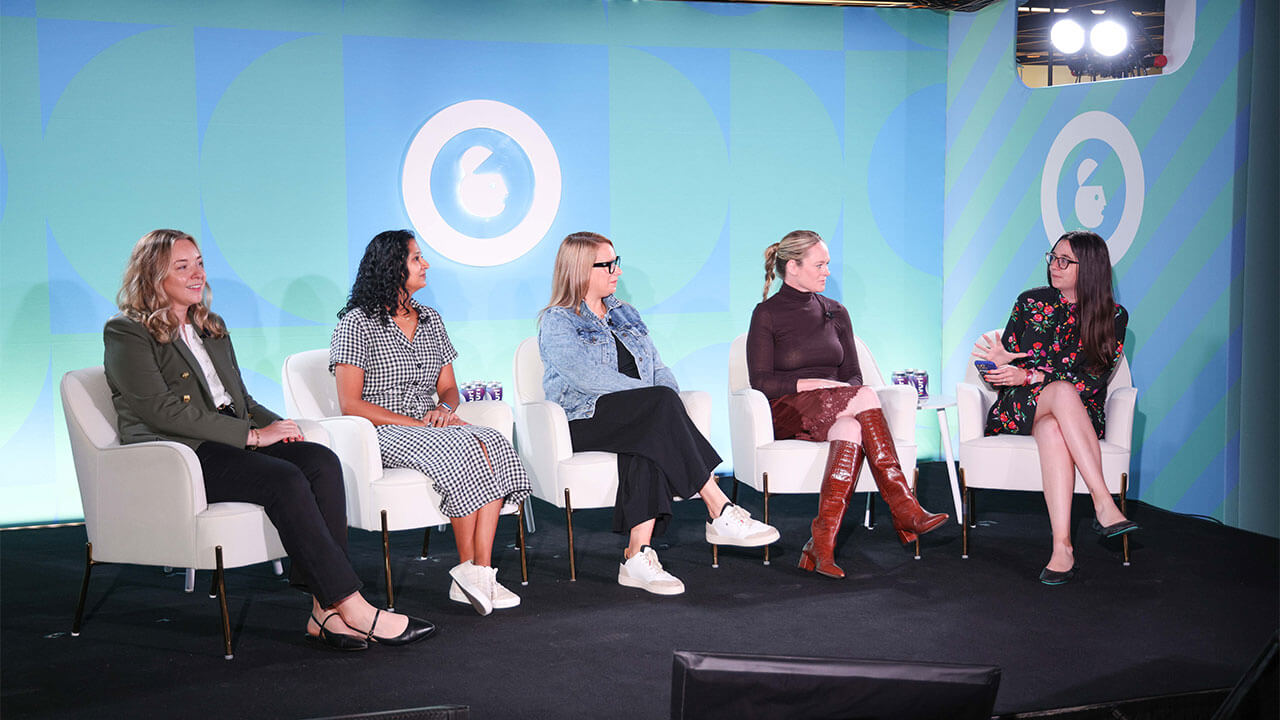
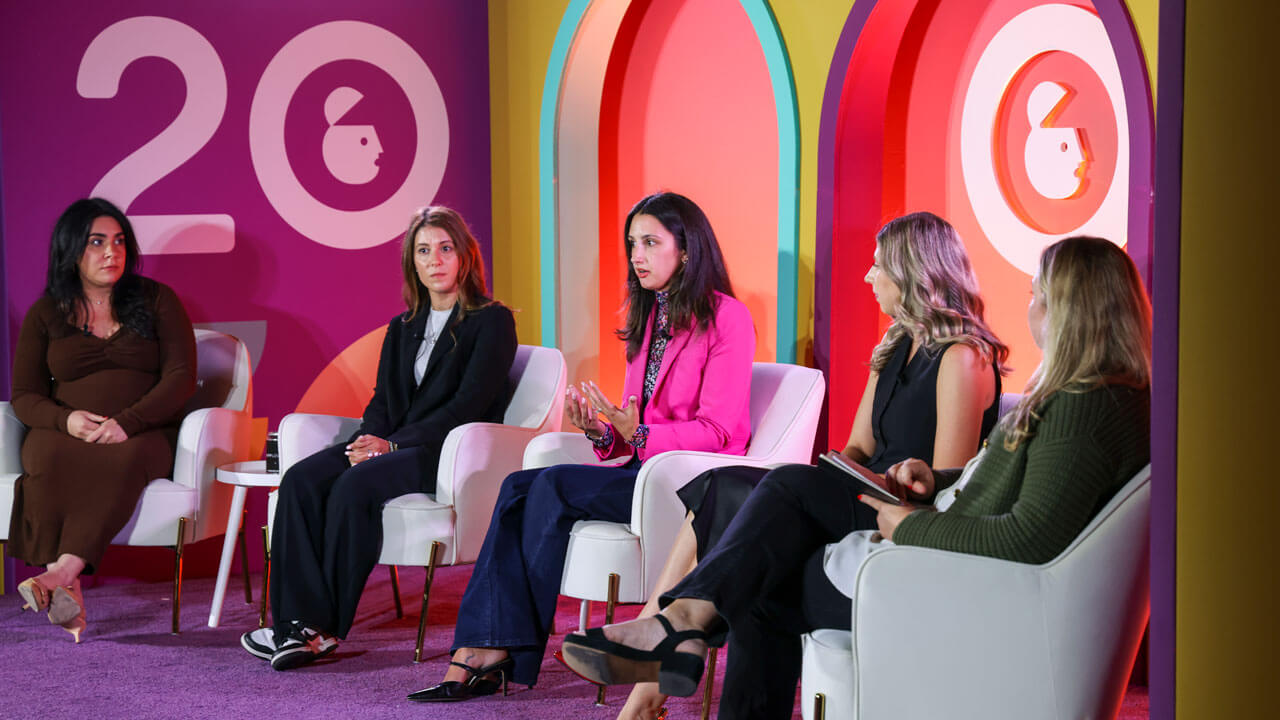
To delve deeper into the role that market research plays in an increasingly polarized age, Matthew Braithwaite, Senior Account Manager at Cint, joined Mike Conte of Marist Poll for an illuminating pre-midterm webinar hosted by Greenbook.
Using findings taken from our recently published midterm election report, the pair examined what those aforementioned shifts mean for consumers, exploring the means by which evolving voter priorities, fragmented media consumption, and declining trust are influencing respondent behavior, participation, and the methods researchers use to produce reliable data.
Read on to learn more about some of the key takeaways from the discussion.
How Marist uses a hybrid methodology for modern political polling
Back in May 2026, we used the Cint Exchange to survey 500 US respondents ahead of November’s election.
When it came to understanding what gets people out to vote, we discovered that 55% named inflation and the cost of living as their single primary voting driver, 32% looked to social media for political updates outside of traditional media streams, 70% were concerned that AI is going to be weaponized to spread misinformation and influence the election and that 54% said national issues serve as a primary driver for choosing a candidate.
With that in mind, Braithwaite’s first question to Conte was as follows: As voters become increasingly fragmented across different media platforms, how has Marist evolved its sampling strategies to ensure it is reaching a truly representative electorate?
Conte took the audience on a little trip down memory lane. “Back in 2008 during the Obama-McCain election, we were calling landlines and cell phones. Calling cell phones at that point was considered high-tech,” he said.
Fast forward to the Clinton vs Trump race in 2016, and things had gotten a little more advanced.
“National scientific polling using random digit dial (RDD) probability methodologies performed well. Our last survey had Hillary Clinton winning the popular vote by about two percentage points, which she did,” said Conte. However, presidential elections are decided by the Electoral College, and we all know what happened there.
After much deliberation, Marist now uses a hybrid polling method:
1/3
Landlines
(for rural penetration and seniors)
1/3
Text-to-web
(probability-based random digit sampling)
1/3
Online panels via Cint
(for younger, diverse demographics)
Conte stressed that this hybrid methodology is strictly for political research. “For general client projects, we tailor the approach based on the target population and budget,” he said. “If a client needs to survey young people, we use an all-online method. If a healthcare client needs to reach senior citizens, landlines are appropriate.
Integrating AI responsibly into survey research
As tends to happen in 2026, the conversation turned to AI. More specifically, Braithwaite wanted to know where AI should and should not play a role in polling.
Conte asserted that while AI plays a valuable role in supporting tasks like survey design, data analysis, and report drafting, “Human oversight is mandatory. AI can make rounding errors, misinterpret complex question formats (like ranking items), or misapply weight factors if not prompted correctly.”
He also added that, “Experimentally, we are using Large Language Models (LLMs) alongside registered voter and consumer databases, covering demographics, voting history, consumer behavior, and lifestyle data to build anonymized voter profiles.”
Today’s fast-paced news cycle presents a significant challenge to the public and political pollsters alike. With that in mind, Conte was asked to outline how he and his colleagues at Marist help stakeholders distinguish between a temporary reaction to breaking news and a meaningful long-term change in public opinion.
“To understand direction, you need trend data. Tracking the same questions over time converts a single photograph into a moving picture, helping stakeholders evaluate whether a sudden shift is a temporary spike or a permanent realignment.”

Mike Conte
Marist Poll
“A single poll is a snapshot in time,” Conte said. “To understand direction, you need trend data. Tracking the same questions over time converts a single photograph into a moving picture, helping stakeholders evaluate whether a sudden shift is a temporary spike or a permanent realignment.”
To dive further into the topic check out the full webinar here.
Need a proactive partner for your political polling?
Navigating shifting voter sentiment requires precise, representative data. Powered by the world’s largest programmatic research marketplace and multi-layered fraud prevention, Cint is your go-to company for high-quality political polling.
Get in touch with Cint today to launch reliable, accurate voter surveys for your next campaign.