Contents
- How AI agents are changing the way research gets bought
- Why AI agents are becoming a new kind of research buyer
- How research providers can make themselves discoverable to agents
- Why trust depends on evaluation frameworks and human checkpoints
- How MCP connects research workflows, and when an agent isn’t the answer
- What agentic research means for insights teams
- Start building with Cint
Categories
How AI agents are changing the way research gets bought
AI is no longer just a handy tool that answers questions; we’re now able to actively deploy it as a collaborator that can complete tasks on our behalf. In the context of market research, these rapid advances in technological capabilities raise a vital question: what happens when the buyer who’s searching for, comparing, and ultimately commissions research isn’t a person at all, but rather an AI agent acting for one?
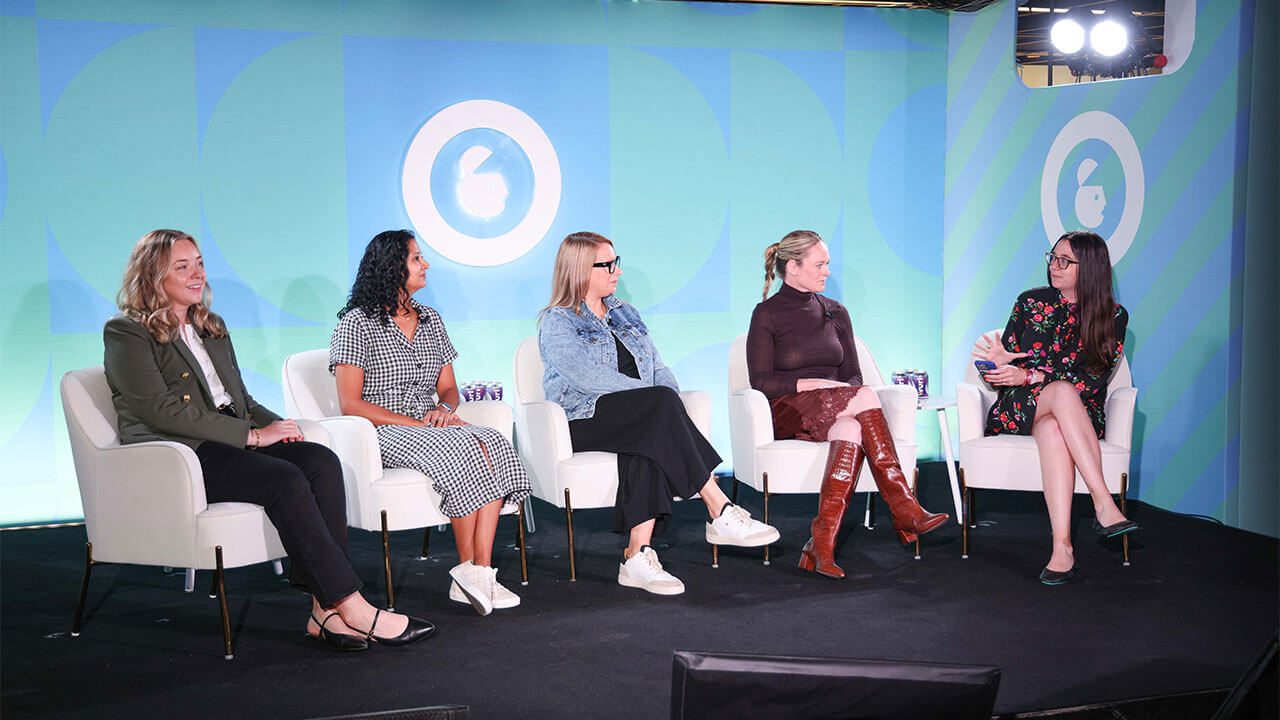
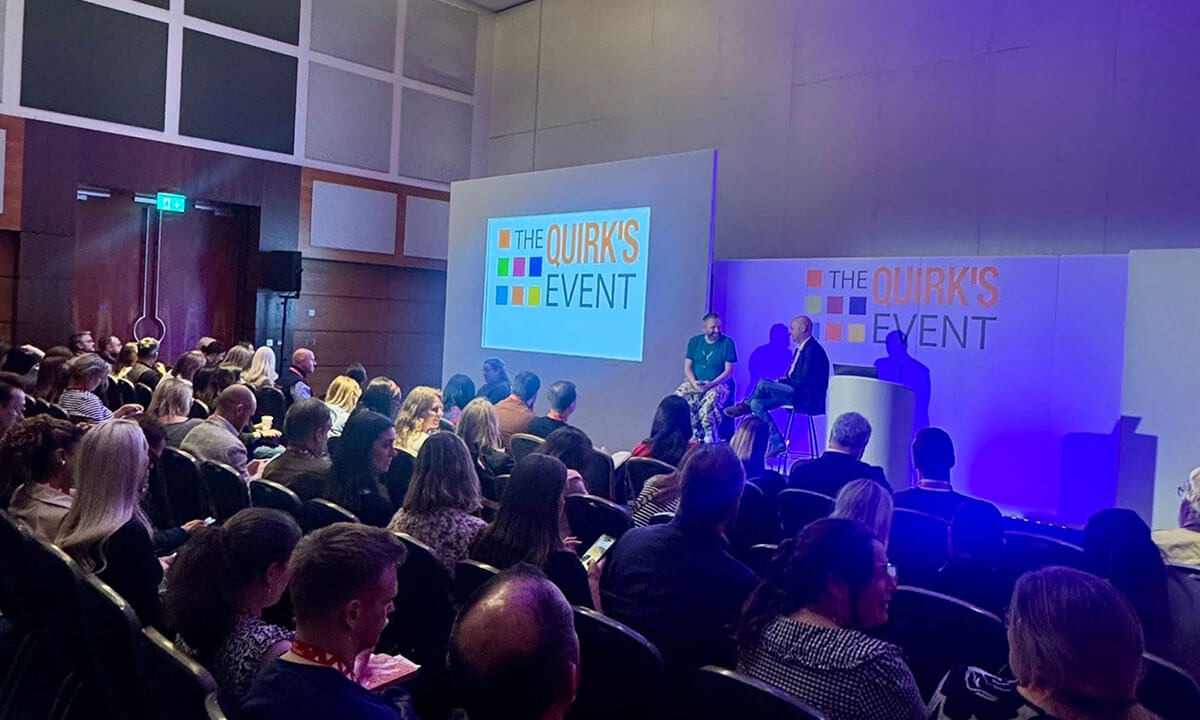
That was the topic discussed at a recent Insight Platforms webinar. Cint’s Lindsay Fordham joined Insight Platforms founder Mike Stevens to explore the impact that the increased deployment of agents is having on market research in 2026 and beyond.
Let’s run through some key takeaways that everyone involved in the insights profession should know.
Why AI agents are becoming a new kind of research buyer
The idea that agents will act as buyers in the market research world isn’t a distant prospect. “I think it’s happening now, and I’m seeing it because it’s happening in our day-to-day business at Cint,” said Fordham.
More and more customers in the research space want to replace email back-and-forth with an agentic project workflow, and they’re asking, in Fordham’s words, “How do I connect with Cint agentically?”
95% of Cint customers now say they use AI frequently, but caution remains. “Researchers are naturally skeptical,” she noted, “and that’s what they pay us for.”
Her advice is to consider agents that are deployed for such use cases as an entirely new buyer persona.
“Agents are acting on behalf of the human buyer,” she explained. “They share some of the same needs and expectations, but they require us to communicate in a different way.”
What’s crucial, though, is that real people still make the final call. “There’s still humans at the end of the day making the judgment calls and caring about the quality and the output,” Fordham said.
How research providers can make themselves discoverable to agents
If an agent can’t find your business, it can’t buy from you. For Fordham, agentic discoverability can be thought of as an evolution in the buying process.

If an agent can’t find your business, it can’t buy from you.
She suggested asking three questions about any product or service when it comes to ensuring that agents are just as able to interface with your business as humans can:
- Can an agent find you? Is it clear from your website what you offer?
- Can it work with you? Can it procure a project or an insight without a human in the middle?
- Can you protect integrity? Is the quality and accuracy of what you deliver maintained, whoever is buying it?
Why trust depends on evaluation frameworks and human checkpoints
As with everything in market research, trust is paramount. Stevens admitted he isn’t an early adopter of agentic buying. He wouldn’t give consumer AI agents access to his bank accounts or personal data, partly from an institutional lack of trust and partly because these models struggle with repeatability and auditability. Then there are hallucinations, which leave a model “confidently wrong”.
Accordingly, his question to Fordham was direct: if you’re allowing agents to buy research, how do you manage that risk?
Fordham noted that “strong evaluation frameworks to continuously measure the responses” agents provide are vital.
It asks whether an answer is accurate and whether it answers the right question, because “sometimes it gives an accurate response to the wrong question.”
The framework also checks for the nuance researchers need. “Not just one number, but how they got to that number and the context and provenance of the data itself,” as Fordham puts it.
While some of this can be automated, “ultimately you’re still going to have a human in the loop checking on things and tuning that model over time.”
Agent harnesses add a second layer of protection. Most companies, “want the AI to come back and ask for permission at each step,” Fordham said, “and then slowly over time you begin to loosen the guardrails.”
As ever, the key decisions still rest with actual people. “Before the survey goes into field, a human being has to review it, test it, and make sure that it meets our brand guidelines.”
For Fordham, the strongest safeguard is accountability. “One of the biggest guardrails we have as an industry is that humans are still held accountable to decisions regardless of how they came to those decisions.”
How MCP connects research workflows, and when an agent isn’t the answer
It wouldn’t be a market research-related webinar in 2026 without at least some discussion about MCP. For the uninitiated, Model Context Protocol (MCP) lets an AI assistant connect to the tools and datasets a team already uses in any given context, whether they sit inside the company or outside it.
Fordham gave an example of a market research agency that connected Claude to their own internal CRM, proprietary datasets, and past project performance data with Cint’s MCP, and can now run bidding and project set-up agentically. Work that previously took hours, if not days, can now be done in minutes; this includes complex multi-tracker set-ups that have historically been slow and error-prone when programmed by hand.
Fordham was equally clear that not every single research process needs an agent at the helm. “Sometimes it feels like AI is a solution looking for a problem,” she said. Agents suit work that is complex, spans several tools, or varies by client. “If it’s something that takes a long time, but you basically do that process the same way every time, that might actually be a case for classic automation.”
After all, as Fordham put it, “agentic systems do take investment in people and expertise and also tokens.”
What agentic research means for insights teams
The insertion of agents into research workflows necessitates a rethink of roles in the insights profession. “The role of the brand research team seems to be evolving from a trusted expert to an orchestrator of agentic intelligence within their organization,” Fordham said.
“The role of the brand research team seems to be evolving from a trusted expert to an orchestrator of agentic intelligence within their organization.”

Lindsay Fordham
Interim Chief Product Officer, Cint
Teams may now see themselves as the orchestrator of how questions get answered. This requires, in Fordham’s words, “some different skill sets, more systems mindsets, but it also relies on their expertise of what good looks like because you can only evaluate what you know.”
For anyone planning for 2027, Fordham’s advice was to “stop looking at AI as your direct competitor” and to “start codifying what is your secret sauce, your IP”, because “that is the gold of AI.” Teams should build skills in evaluation frameworks to “keep AI on a short leash” and prepare for working with many agents, as “we’re moving from a single player to a multiplayer mode.” Above all, protect human judgment.
“Now we have to teach problem-solving, taste, and judgment as a concept,” she said.
Start building with Cint
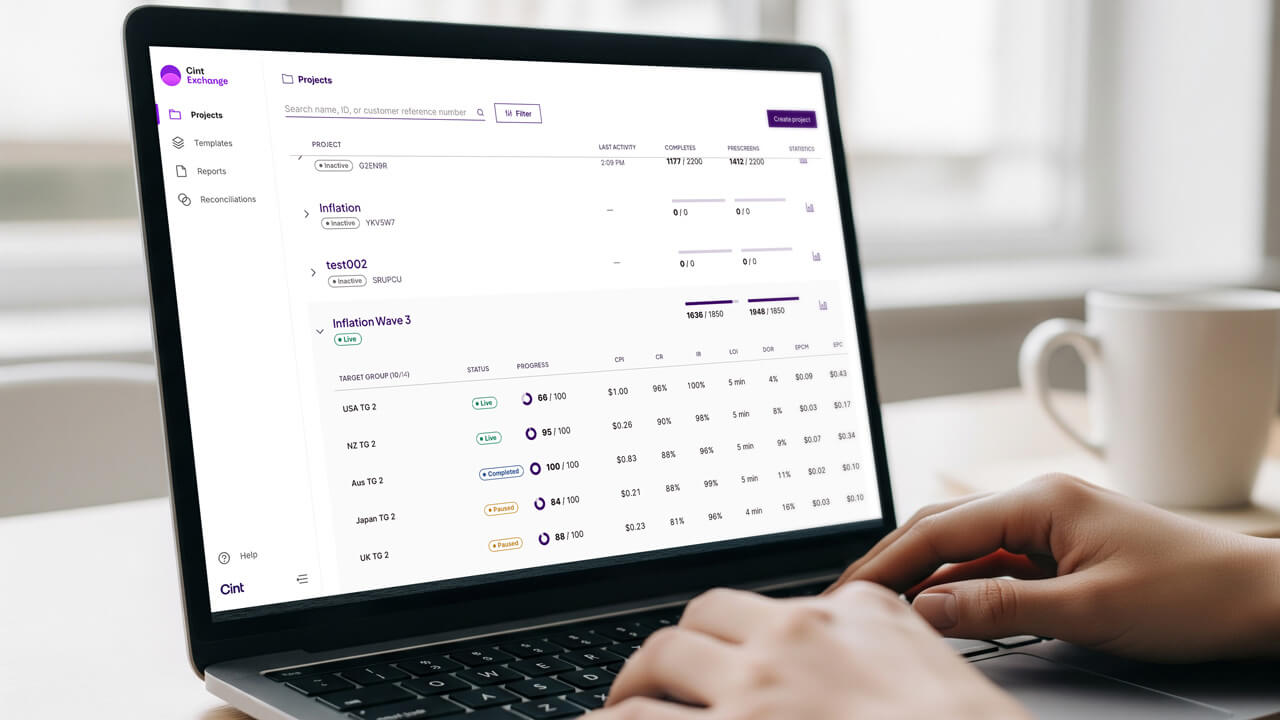
Cint is already building for this shift. Its agentic sampling workflow is in beta, connecting to AI clients and the tools research teams already use.
Watch the webinar replay to hear the whole conversation in full.
Get in touch with us today to find out more about how our agentic solutions can work for your organization.